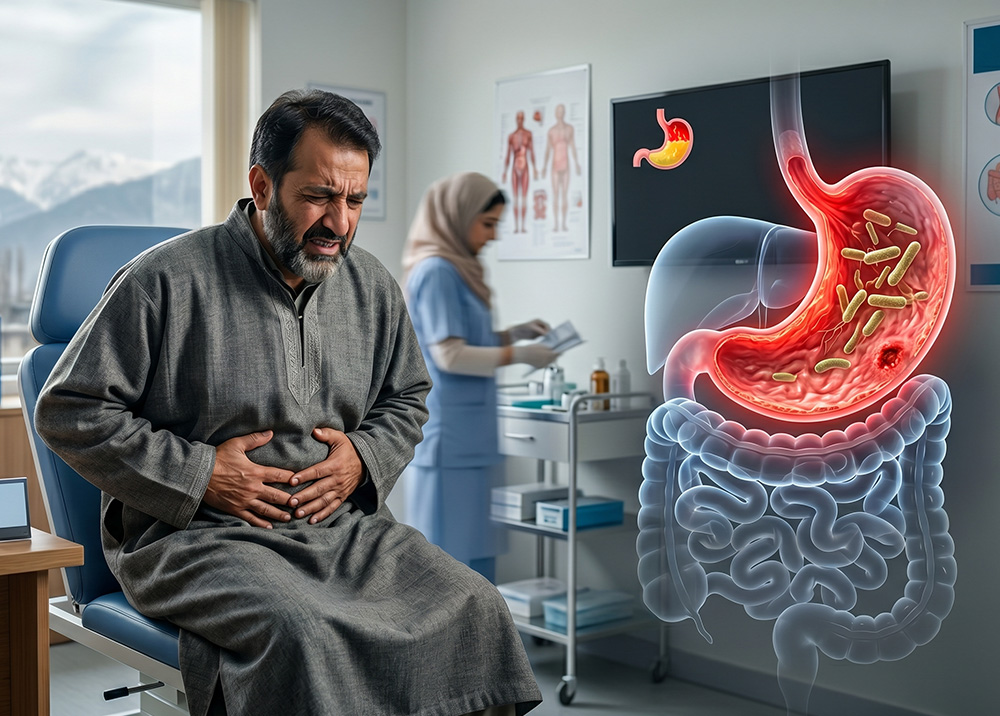
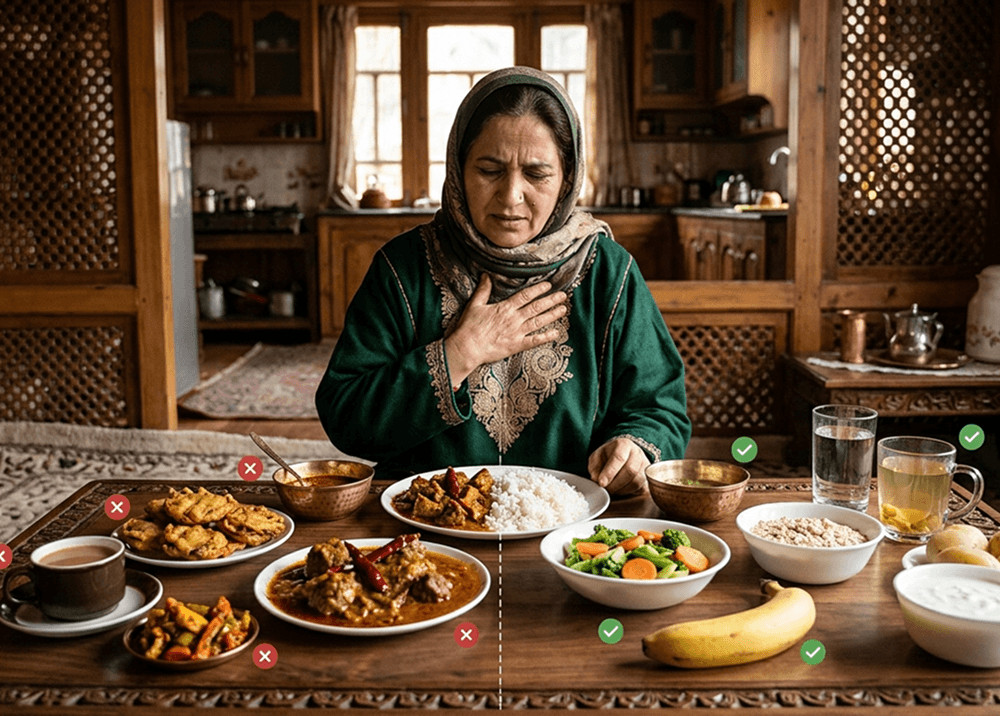
Living in Jammu and Kashmir means enjoying a rich, deeply flavorful culinary heritage. But for those struggling with chronic acid reflux, traditional Kashmiri meals can often feel like a hidden minefield. Gastroesophageal Reflux Disease (GERD) is increasingly common in the region, yet many individuals attempt to manage it with over-the-counter antacids rather than addressing the local dietary triggers that cause it.
Dr. Wahid Akbar, a leading gastro doctor for acidity in Srinagar, notes that an understanding of which local ingredients to prioritize and which ones to avoid is a crucial first step toward long-term digestive comfort. For those seeking lasting relief, seeking early, professional GERD treatment in Srinagar instead of masking symptoms with OTC pills and antacids is crucial. It ensures a comprehensive approach with a focus on root cause management to preserve systemic gut health.
Why Does Your Acidity Keep Coming Back?
Occasional acidity happens to everyone, but repeated acid reflux symptoms and treatment need point to a deeper issue. When stomach acid frequently flows back up into the food pipe, it can irritate the delicate lining, leading to Gastroesophageal Reflux Disease (GERD).
In the Kashmir valley, this cycle is heavily influenced by specific local lifestyle and dietary habits:
- Traditional High-Fat & Heavy Meals: Such as intensive multi-course community feasts.
- Unique Local Beverage Routines: Specifically, high-volume consumption of specialized local teas.
- The Winter Sedentary Cycle: Reduced physical movement during the freezing winter months increases abdominal pressure.
- Poor Meal Timing: Eating heavy dinners late at night and lying down immediately in a warm room (Hamam).
Simply popping antacids will not address the biological root cause. Unless these local dietary triggers are actively managed, the symptoms will continue to return.
Common GERD Symptoms You Should Recognize
GERD symptoms may vary from person to person, but commonly include:
- Burning sensation in the chest (heartburn)
- Sour or bitter taste in the mouth
- Frequent burping or belching
- Regurgitation of food or acid
- Bloating after meals
- Chest discomfort after eating
- Chronic throat irritation
- Persistent cough, especially at night
- Difficulty sleeping due to reflux symptoms
If symptoms occur frequently, medical evaluation may be necessary to prevent long-term complications. Consult a gastro specialist like Dr. Wahid Akbar for the best GRED treatment in Srinagar.
Local Dietary Triggers That Can Worsen GERD
Certain eating habits commonly seen in the region may contribute to acid reflux symptoms.
Some common dietary triggers include:
Heavy and Fat-Rich Meals: Heavy, fatty meals delay digestion and boost stomach pressure, triggering acid reflux.
Excess Tea Consumption: Frequent: Drinking strong tea all day triggers acid reflux because caffeine relaxes the stomach valve.
Spicy Foods: Spicy foods irritate the digestive tract and trigger painful heartburn.
Fried and Oily Foods: Oily, deep-fried snacks delay digestion and trigger frequent reflux episodes.
Late-Night Dinners: Eating close to bedtime allows stomach acid to flow upward when you lie down.
Carbonated and Sugary Drinks: Fizzy soft drinks cause bloating and abdominal pressure, forcing stomach acid upward.
Excessive Caffeine: Excessive coffee, energy drinks, and caffeine aggravate acid reflux symptoms.
These are among the most common foods to avoid in acid reflux, particularly for patients who experience frequent heartburn or regurgitation.
Foods That May Help Reduce Acid Reflux
While trigger foods vary between individuals, certain dietary choices are generally better tolerated by GERD patients.
The best diet for GERD patients often includes:
- Fresh vegetables
- Non-citrus fruits such as bananas, apples, and melons
- Whole grains and fibre-rich foods
- Oats and porridge
- Lean proteins such as fish and skinless poultry
- Low-fat dairy products when tolerated
- Home-cooked balanced meals
- Adequate water intake throughout the day
Eating smaller portions and chewing food slowly can also help reduce reflux symptoms.

“GERD management is not only about medication. Identifying dietary triggers, improving meal habits, and making sustainable lifestyle changes are often the key to long-term symptom control.”
Everyday Eating Habits That Protect Against GERD
Simple lifestyle adjustments often make a significant difference in controlling symptoms.
Helpful habits include:
- Eating meals at regular times
- Avoiding overeating
- Finishing dinner at least 2–3 hours before bedtime
- Remaining upright after meals
- Maintaining a healthy body weight
- Limiting tobacco use and smoking
- Reducing excessive caffeine intake
- Staying physically active daily
- Managing stress effectively
These changes complement medical treatment and can significantly improve long-term outcomes.
How Is GERD Treated?
Modern GERD & heartburn treatment in Srinagar focuses on both symptom relief and addressing underlying causes.
Treatment may include:
- Lifestyle and dietary modification
- Weight management programs
- Acid-suppressing medications when indicated
- Treatment of associated gastritis or H. pylori infection
- Structured meal planning
- Advanced endoscopic interventions in selected patients
Many patients achieve substantial improvement when medical therapy is combined with long-term lifestyle correction.For individuals seeking effective heartburn treatment in Kashmir, early diagnosis can help prevent complications such as esophagitis, ulcers, and chronic reflux damage.
When Should You See a Specialist?
Consult a gastroenterologist if you experience:
- Frequent heartburn more than twice a week
- Persistent acidity despite medication
- Difficulty swallowing
- Recurrent regurgitation of food or acid
- Chronic cough or throat irritation
- Chest discomfort after meals
- Unexplained weight loss
- Night-time reflux affecting sleep
Ignoring symptoms may lead to progressive inflammation and complications over time.
Dr. Wahid Akbar provides comprehensive evaluation and personalized treatment plans for GERD, acidity, gastritis, and other digestive disorders.
Visit Dr. Wahid Akbar Gastro and Liver Superspeciality Clinic
Consult Dr. Wahid Akbar, Consultant Gastroenterologist and Hepatologist & Advanced Endoscopy Specialist, for evidence-based, lifestyle-integrated treatment plan designed to restore long-term gastrointestinal health and bring lasting relief.
Book Appointment Now: +91 84929 00770
Address: Amandeep BR Medicity, Tangpora Bypass, Srinagar, Jammu & Kashmir – 190010
Website: https://drwahidakbarbestgastrodoc.com/
Google Profile: Dr. Wahid Akbar – Best Gastroenterologist in Srinagar | Advanced Endoscopy Expert
Serving Patients At:
- Srinagar Kashmir: Dr Wahid Gastro & Liver Superspeciality Clinic Nowgam Chowk Srinagar
- Outreach: Medlife Clinic Shopian & Alhikmah Healthcare Sopore.